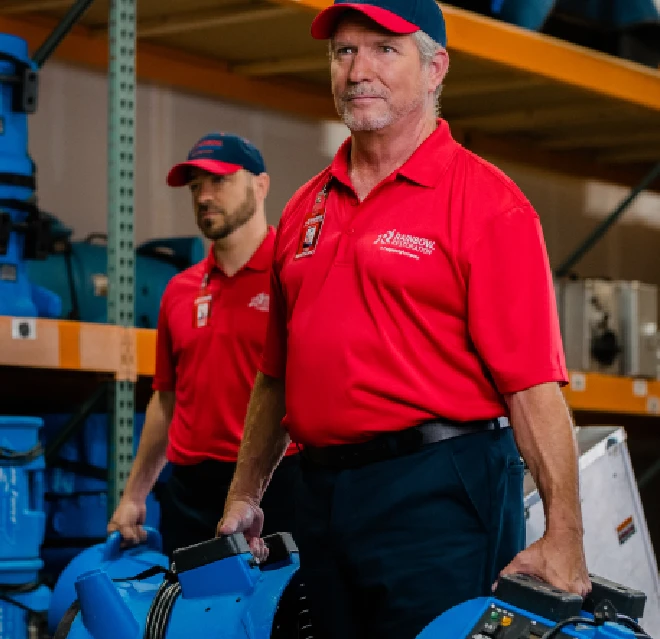
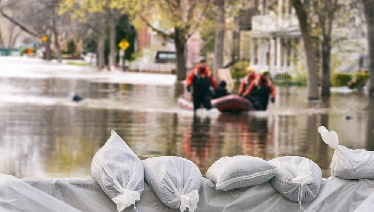
Charleston sits at sea level on a peninsula surrounded by tidal rivers on three sides. Storm surge from coastal storms, tidal flooding during king tide events, and heavy rainfall that overwhelms drainage systems in low-lying neighborhoods all create water damage conditions here that other markets rarely experience. Rainbow Restoration of Charleston provides water damage restoration for homeowners throughout the Lowcountry, including Charleston, Goose Creek, Hanahan, Johns Island, Ladson, North Charleston, and Summerville. Our certified crew responds quickly, extracts the water, dries the structure, and restores your home to the best possible conditions.
Water Damage Restoration in Charleston, SC
Water Damage Restoration in Charleston, SC

Water Damage Restoration Built for Charleston's Coastal Environment
Homes throughout the Charleston area face challenges after a water event that go beyond what a standard response can address. Properties on the historic Peninsula have original plaster walls, heart-pine floors, and crawlspace or pier-and-beam foundations that retain moisture longer than modern construction. Homes in West Ashley, James Island, and Johns Island often have crawlspaces that collect water during flooding and are difficult to access with standard equipment. Coastal flooding events typically involve Category 3 contaminated water from storm surge, which requires different handling than a clean water pipe break. Our water damage restoration process starts with a full moisture assessment to identify all affected areas before any drying plan is finalized, and we classify the water type at the start of every job to ensure the right protocols are applied throughout.
What Our Water Damage Restoration Process Covers
Water Damage Restoration FAQ
Residential and Commercial Services
From water damage restoration, fire damage restoration, mold removal, to specialty cleaning services, we have the expertise property owners can trust for complete restoration and cleaning after a disaster or emergency.
-
-
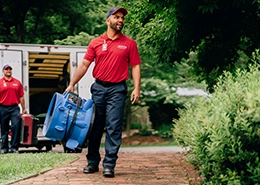
Water Damage Restoration
Restore properties after significant water damage from natural disasters or plumbing issues.Learn more Water Damage Restoration
-
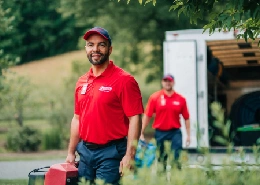
Smoke and Fire Damage Restoration
Remediation of structural fire damage, soot, and smoke stains to fully restore a property.Learn more Smoke and Fire Damage Restoration
-
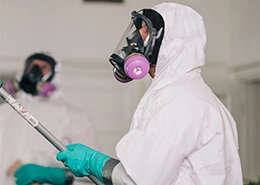
Mold Removal
Safeguard the health of occupants by eliminating potential health hazards and prevent further damage.Learn more Mold Removal
-

Full-Service Reconstruction
Restore lives and rebuild properties after damaging events such as a fire, flood, or severe weather.Learn more Full-Service Reconstruction
Property Damage Restoration Tips and Resources
-
.webp)
What Is a Restoration Company and When Will You Need One?
Restoration companies handle property damage from events such as floods, fires, and mold growth. They help restore a property to its best possible state by cleaning and repairing any damage.
-
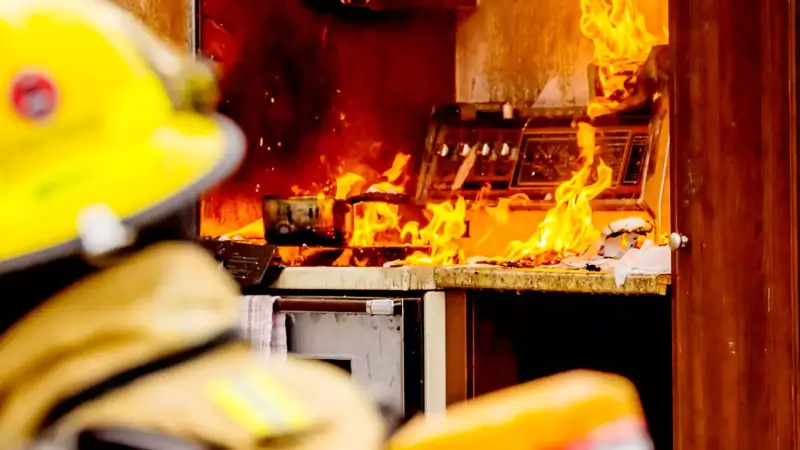
28 House Fire Statistics: How Common Are House Fires?
Knowing and understanding house fire statistics can provide valuable insight into how common house fires are, their typical causes, ways to prevent them, and the costs of smoke and fire damage.
-
.webp)
How Does Mold Spread? 5 Common Causes [+ Prevention Tips]
Mold spreads through air and water. Mold releases spores that use different methods to move from one place to the next. However, mold spread through the air is the most common form of growth in households and businesses.

Restoration begins now.®