A residential fire in Brooklyn causes damage on two levels: what the flames reached directly and what the smoke touched. In the dense, attached construction that characterizes much of Brooklyn, brownstones, row houses, and pre-war apartment buildings, smoke travels quickly through shared wall cavities, plumbing chases, and HVAC systems, spreading contamination well beyond the origin room. Professional fire damage restoration for Brooklyn homes means treating both the visible burn damage and the hidden smoke contamination that can persist long after the visible signs are cleaned up. Our certified team responds 24 hours a day, every day, beginning with a thorough room-by-room assessment.
Residential Fire and Smoke Damage Restoration in Brooklyn, NY
Residential Fire and Smoke Damage Restoration in Brooklyn, NY
Fire Damage Restoration in Brooklyn's Attached Housing Stock
Fire damage restoration in Brooklyn row houses and brownstones requires more than surface cleanup. Smoke and soot can travel through shared walls, utility runs, and floor-ceiling assemblies, especially in neighborhoods like Crown Heights, Bed-Stuy, Bushwick, and Greenpoint, where many buildings share structural connections and older wiring systems increase the risk of fire.
At Rainbow Restoration, our team evaluates the full extent of fire, smoke, and water damage from the start. Different types of fires create different smoke residues, and we match our cleaning methods to the specific conditions inside your property. We also address water damage caused by firefighting efforts, including moisture trapped in walls, floors, and structural materials. By handling smoke cleanup and water restoration together, we provide a coordinated restoration process that helps Brooklyn homeowners recover more efficiently.
Fire Damage Restoration in Brooklyn's Attached Housing Stock
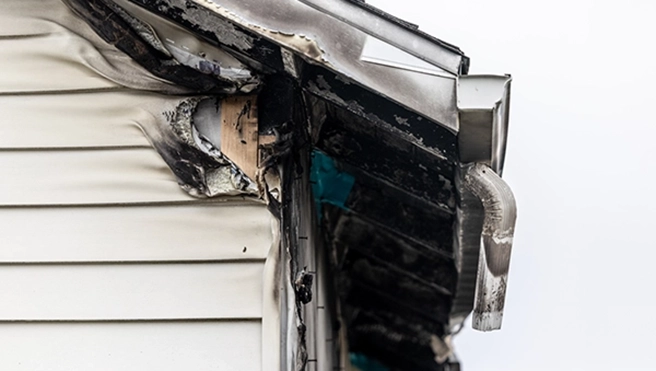
What Our Residential Fire Damage Restoration Service Includes





1220 Utica Avenue Brooklyn, NY 11203, United States
- Bedford Stuyvesant
- Bedford-Stuyvesant
- Brooklyn
- Crown Heights
- East Flatbush
Service We Provide
Residential Fire and Smoke Damage FAQ

Restoration begins now.®