Commercial mold removal in Savannah and the Lowcountry is a time-sensitive matter. The region's subtropical climate keeps mold-friendly conditions year-round, and commercial properties that delay responding face growing contamination, rising structural costs, and occupancy risks. Our crew serves commercial property owners and managers throughout Savannah, Bluffton, Beaufort, Port Royal, Hilton Head Island, Hardeeville, Ridgeland, and Okatie. Contact our team to schedule an assessment and discuss the scope of your situation.
Commercial Mold Removal in Savannah and the Lowcountry, GA and SC
Commercial Mold Removal in Savannah and the Lowcountry, GA and SC
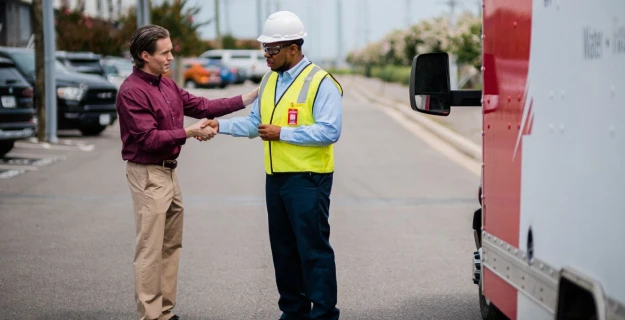
Commercial Mold Removal for Savannah and Lowcountry Businesses
Commercial mold growth is a year-round concern in Savannah and the SC Lowcountry due to the region's warm temperatures, high humidity, and frequent exposure to moisture. Businesses often face additional challenges because of larger buildings, complex HVAC systems, and the need to keep operations running while addressing indoor environmental issues. Historic commercial properties, hospitality venues, office buildings, and retail spaces throughout the region can all be vulnerable to hidden mold growth when moisture problems go unresolved.
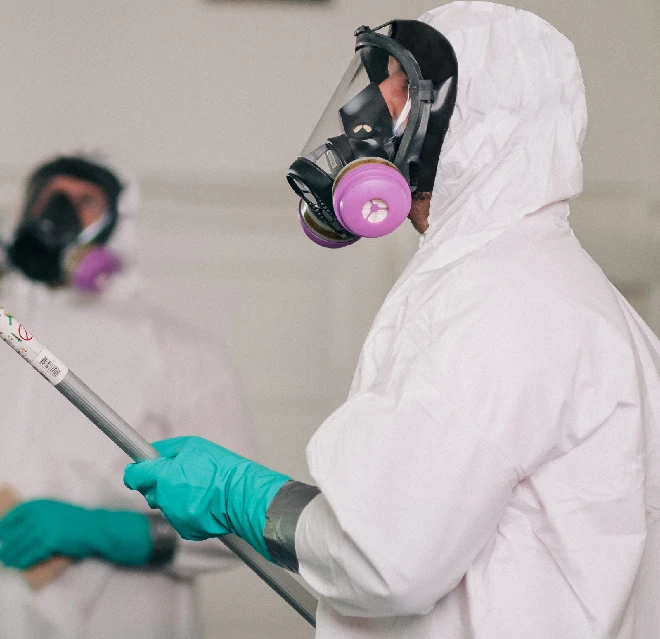
Our commercial mold remediation team serves businesses across Savannah, Hilton Head Island, Bluffton, Beaufort, Port Royal, Hardeeville, and surrounding Lowcountry communities. We identify and correct the moisture source, establish proper containment, remove affected materials when necessary, and treat impacted areas using industry-standard remediation methods. By addressing both the mold growth and the conditions that caused it, we help protect occupant health, reduce the risk of recurrence, and restore commercial properties to safe operating conditions.
What Our Commercial Mold Removal Process Covers
Commercial Mold Removal FAQ
Residential and Commercial Services
From water damage restoration, fire damage restoration, mold removal, to specialty cleaning services, we have the expertise property owners can trust for complete restoration and cleaning after a disaster or emergency.
-
Water Damage Restoration
Learn more Water Damage RestorationRestore properties after significant water damage from natural disasters or plumbing issues.

-
Smoke and Fire Damage Restoration
Learn more Smoke and Fire Damage RestorationRemediation of structural fire damage, soot, and smoke stains to fully restore a property.

-
Mold Removal
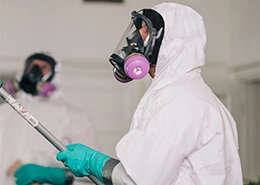
Learn more Mold RemovalSafeguard the health of occupants by eliminating potential health hazards and prevent further damage.

-

Full-Service Reconstruction
Learn more Full-Service ReconstructionRestore lives and rebuild properties after damaging events such as a fire, flood, or severe weather.

Property Damage Restoration Tips and Resources
-
.webp)
What Is a Restoration Company and When Will You Need One?
Restoration companies handle property damage from events such as floods, fires, and mold growth. They help restore a property to its best possible state by cleaning and repairing any damage.
-
28 House Fire Statistics: How Common Are House Fires?
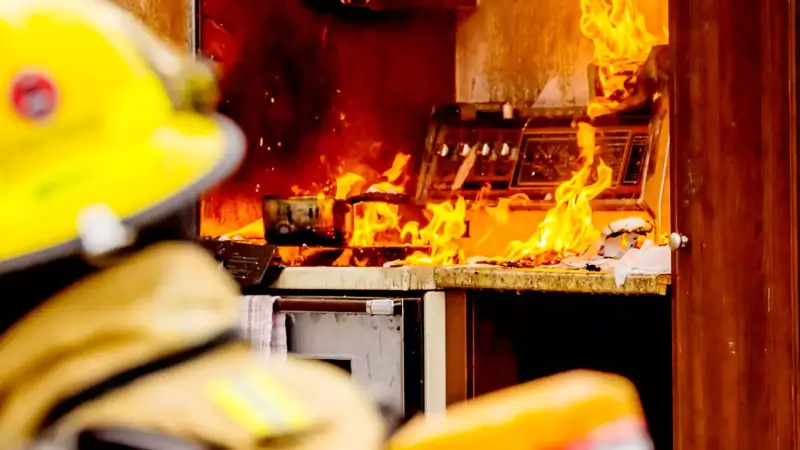
Knowing and understanding house fire statistics can provide valuable insight into how common house fires are, their typical causes, ways to prevent them, and the costs of smoke and fire damage.
-
.webp)
How Does Mold Spread? 5 Common Causes [+ Prevention Tips]
Mold spreads through air and water. Mold releases spores that use different methods to move from one place to the next. However, mold spread through the air is the most common form of growth in households and businesses.

Restoration begins now.®