Mold removal in Savannah and the surrounding Lowcountry is a year-round concern. The region's subtropical climate, persistent coastal humidity, and a combination of older building stock and low-lying geography create conditions in which mold can develop quickly and spread widely without intervention. Our crew serves residential and commercial property owners throughout Savannah, Bluffton, Beaufort, Port Royal, Hilton Head Island, Hardeeville, Ridgeland, and Okatie. If you have visible growth, a persistent musty odor, or a history of water intrusion, contact our team to schedule an assessment.
Mold Removal in Savannah and the Lowcountry, GA and SC
Mold Removal in Savannah and the Lowcountry, GA and SC
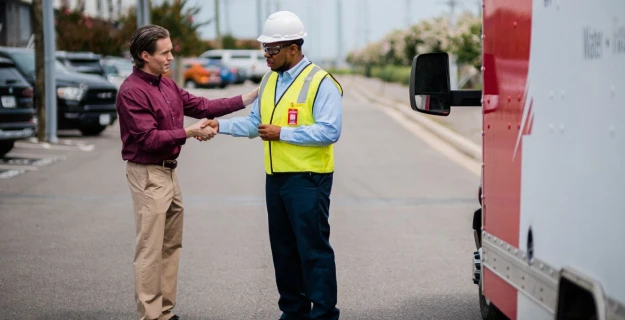
Mold Removal for Savannah and Lowcountry Homes and Businesses
Savannah's warm, humid coastal climate creates ideal conditions for mold growth throughout the year. High humidity, frequent moisture intrusion, and limited drying periods allow mold to develop quickly after water damage. Older homes in Savannah's Historic District, properties near tidal marshes, and seasonal vacation rentals throughout the Lowcountry are especially vulnerable to hidden mold growth.
Our team provides professional mold remediation services for residential and commercial properties across Savannah, Bluffton, Beaufort, Port Royal, Hilton Head Island, and surrounding communities. We identify and correct the moisture source, contain affected areas, remove contaminated materials when necessary, and treat surfaces to help prevent future growth. By addressing both the mold and the conditions causing it, we help restore healthier indoor environments and protect properties throughout the Coastal Georgia and Lowcountry region.
What Our Mold Removal Process Covers
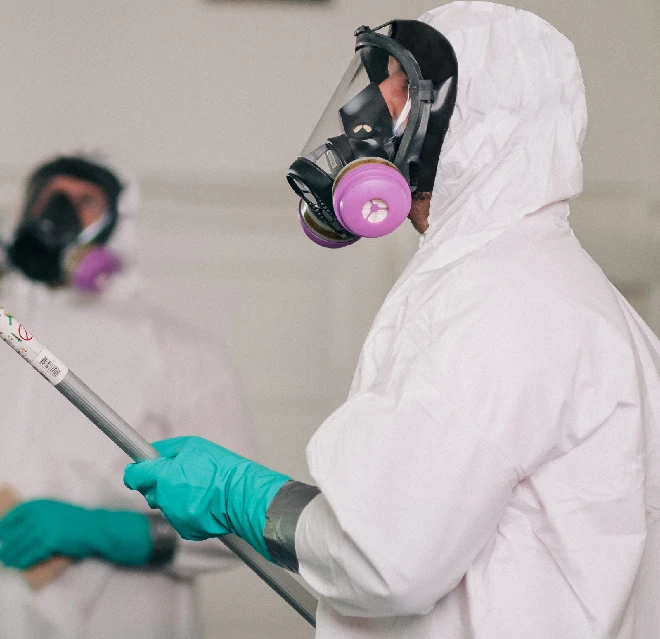
Mold Removal FAQ
Residential and Commercial Services
From water damage restoration, fire damage restoration, mold removal, to specialty cleaning services, we have the expertise property owners can trust for complete restoration and cleaning after a disaster or emergency.
-
Water Damage Restoration
Learn more Water Damage RestorationRestore properties after significant water damage from natural disasters or plumbing issues.

-
Smoke and Fire Damage Restoration
Learn more Smoke and Fire Damage RestorationRemediation of structural fire damage, soot, and smoke stains to fully restore a property.

-
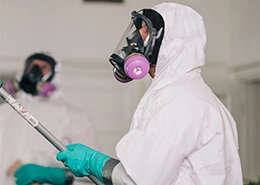
Mold Removal
Learn more Mold RemovalSafeguard the health of occupants by eliminating potential health hazards and prevent further damage.

-

Full-Service Reconstruction
Learn more Full-Service ReconstructionRestore lives and rebuild properties after damaging events such as a fire, flood, or severe weather.

Property Damage Restoration Tips and Resources
-
.webp)
What Is a Restoration Company and When Will You Need One?
Restoration companies handle property damage from events such as floods, fires, and mold growth. They help restore a property to its best possible state by cleaning and repairing any damage.
-
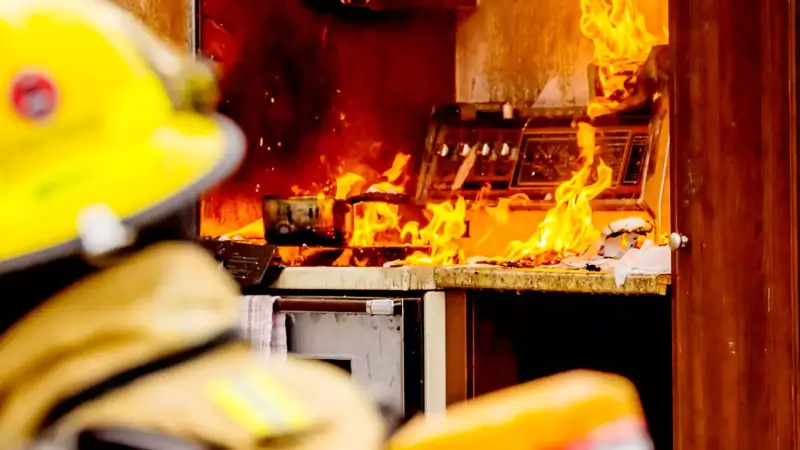
28 House Fire Statistics: How Common Are House Fires?
Knowing and understanding house fire statistics can provide valuable insight into how common house fires are, their typical causes, ways to prevent them, and the costs of smoke and fire damage.
-
.webp)
How Does Mold Spread? 5 Common Causes [+ Prevention Tips]
Mold spreads through air and water. Mold releases spores that use different methods to move from one place to the next. However, mold spread through the air is the most common form of growth in households and businesses.

Restoration begins now.®